Furniture Pick-Up in Italy: A Practical Local Service for Homes, Offices, and Property Moves
If you need Furniture Pick-Up in Italy, you are probably dealing with one of those moments that feels simple at first and then quickly becomes complicated: a sofa that no longer fits the room, a wardrobe that must be removed before a move, a set of office desks that needs clearing out, or a heavy table that cannot be carried down narrow stairs without help. In Italy, where buildings often have older layouts, limited lift access, ZTL restrictions, and busy streets with difficult parking, arranging furniture removal can be much more involved than people expect.
That is why a local furniture pick-up service matters. Whether you are in a city apartment, a suburban villa, a holiday home, or a commercial property, having a team that understands local access, building rules, and the right way to handle bulky items can save time, stress, and unnecessary damage. The service is useful not only for people moving house, but also for landlords, estate managers, office administrators, shop owners, and anyone who needs unwanted furniture collected quickly and responsibly.
This page is designed to help local customers in Italy understand what a furniture pick-up service includes, what affects the cost, how to prepare, and when it is the right choice.
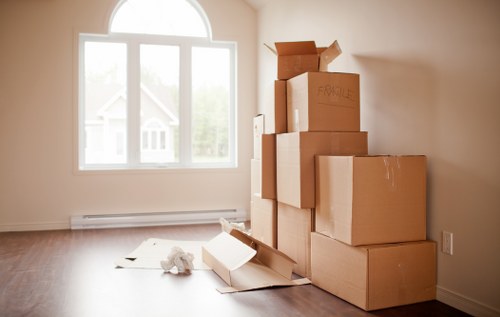
Why Furniture Pick-Up Is Often Needed in Italy
Across Italy, furniture removal requests come from many everyday situations. Some customers want to clear a room before redecorating. Others need to empty a flat after a tenancy ends. Many families replace old items after a renovation or because they are moving from one area to another and cannot take every piece with them. In commercial settings, the need is just as common: offices are reconfigured, retail spaces are updated, hotels refresh guest rooms, and restaurants replace tables, chairs, and counters.
Italian properties often present practical challenges that make self-removal difficult. In older city buildings, staircases may be narrow, elevators may be too small for a wardrobe or sectional sofa, and access to the building may be limited by internal courtyards or shared entrances. In dense urban areas, parking near the entrance can be hard to secure, especially for larger vehicles. In historic centres, there may be restrictions on loading and unloading times, and some streets require careful planning to avoid delays. A local team experienced in furniture pick-up in Italy knows how to work around these realities.
Customers also choose a professional service for peace of mind. Large and heavy furniture can be awkward to move and may scratch floors, damage walls, or cause injury if handled without the right equipment. A trained team can remove items carefully, sort them for reuse, recycling, or disposal when appropriate, and leave the space ready for its next use.
What a Furniture Pick-Up Service Usually Includes
Every job is different, but a good furniture collection service normally focuses on safe removal, practical handling, and clear coordination. For local customers, this often means more than simply “taking something away.” It means planning the collection around access points, item size, and the type of property involved.
Typical service elements may include collection of single items or multiple pieces, moving furniture from inside the property to the vehicle, lifting and carrying heavy or awkward items, and handling the logistics of loading from apartments, offices, warehouses, or ground-floor premises. Depending on the request, the service may also include disassembly of furniture when that is necessary to remove it safely.
Many customers look for a service that can handle a wide range of items, from everyday household pieces to business furniture. Common examples include sofas, armchairs, beds, mattresses, dining sets, wardrobes, cabinets, desks, shelving, reception furniture, shop fittings, and patio furniture. It is always wise to confirm the exact item list before booking, especially if the furniture is oversized, particularly heavy, or located in a difficult-access building.

Who Uses Furniture Pick-Up in Italy?
Residential customers
Homeowners, tenants, and families regularly book furniture collection when they are moving, renovating, downsizing, or replacing worn-out pieces. In apartment blocks, one of the biggest concerns is how to remove bulky furniture without upsetting neighbours, damaging common areas, or blocking corridors and lifts for too long. A local collection team helps keep the process efficient and respectful.
Landlords and property managers
When a tenancy ends, landlords often need furniture removed quickly so a property can be cleaned, repaired, or re-let. This is especially important for furnished rentals, seasonal properties, and short-let apartments. Property managers may also need occasional clearance after a tenant leaves behind unwanted items.
Commercial clients
Offices, shops, showrooms, hospitality venues, and professional practices may all need furniture removed as part of refurbishment or relocation. Businesses usually prefer a service that works with limited disruption, especially when collections need to happen outside customer hours or in stages. Furniture Pick-Up in Italy for commercial customers is often about speed, discretion, and tidy site management.
Estate and family clearances
In some situations, a furniture collection forms part of a larger property clearance. Families may need support when preparing a home for sale, transferring possession, or handling inherited items. In these cases, careful coordination and a respectful approach are especially important.
The best service is one that adapts to the situation instead of forcing a one-size-fits-all approach.
How the Service Works
The process is usually straightforward, but a professional approach makes a big difference. Most customers appreciate knowing what happens before the team arrives and what is expected from them on the day.
In many cases, the process begins with a request for a quote or an initial assessment. You may be asked to describe the items, their size, where they are located, and whether there are any access issues such as stairs, restricted parking, or building rules. If the collection is more complex, photos can help the team understand what equipment or staff will be needed.
Once the booking is arranged, the team arrives at the agreed time, checks the items, and confirms the plan before starting work. They then remove the furniture safely, taking care around doors, flooring, lifts, and shared areas. After collection, the vehicle is loaded and the space is left as tidy as possible. If multiple items are involved, the team may separate pieces for reuse, recycling, or disposal according to the service arrangement and local handling requirements.

Local Challenges That Make Professional Pick-Up Valuable
Italy’s housing and street layouts can create very specific challenges. In historic centres and older districts, buildings may have no lift at all, or a lift that is far too small for large furniture. Some properties have internal courtyards that make manoeuvring difficult, while others have shared entrances where care is needed to avoid disruption. In cities like Rome, Milan, Naples, Florence, Turin, Bologna, and many other urban areas, traffic, limited stopping space, and access restrictions can make timing just as important as lifting ability.
Even outside the largest cities, access can still be tricky. Villas on steep roads, apartment buildings with uneven entrances, and rural properties with long driveways may all require extra planning. A local team used to working in different parts of Italy is more likely to anticipate these issues and arrive with the right equipment. That may include lifting straps, trolleys, protective blankets, and tools for safe disassembly where needed.
Another local concern is building etiquette. In many Italian condominiums, residents are expected to keep noise down, use service lifts correctly, and avoid leaving items in common areas. A reliable furniture collection service respects those expectations and helps make the whole job smoother for everyone involved.
What Types of Furniture Can Be Collected?
Most collection services handle a broad range of domestic and business furniture. If you are unsure whether an item can be taken, it is usually best to describe it in detail before booking. Some items are simple to collect, while others require disassembly or a second person to carry safely.
- Sofas, sofa beds, and armchairs
- Dining tables and chairs
- Wardrobes, chests of drawers, and bedside units
- Beds, bed frames, and mattresses
- Office desks, office chairs, and filing cabinets
- Bookcases and shelving units
- Retail counters, display furniture, and stockroom items
- Outdoor furniture, garden tables, and patio seating
- Kitchen furniture and loose fixtures, where agreed
Some services can also deal with mixed loads, where you have several types of furniture to be removed in one visit. This is especially useful during renovations or end-of-lease clear-outs, when customers want to remove multiple items at once rather than arranging several separate bookings.
Tip: If an item is built-in, fixed to the wall, or connected to plumbing or electrics, mention that early. It may still be removable, but it usually requires different planning.

What Is Included in a Good Local Furniture Pick-Up
Customers usually want reassurance that the work will be handled properly from start to finish. A local service should be clear about what is and is not included, especially when it comes to lifting, disassembly, and access.
Common inclusions
- Arrival at an agreed time window
- Collection from homes, apartments, offices, and commercial premises
- Safe lifting and carrying of bulky furniture
- Loading and transportation of collected items
- Careful handling around walls, doors, stairs, and shared spaces
- Optional disassembly when required for removal
- Removal of single items or larger loads
Possible extras or special arrangements
- Collections from upper floors with no lift
- Furniture stored in basements, attics, or garages
- Access through courtyards or narrow entrances
- Timing around building rules or traffic limitations
- Commercial collections outside normal business hours
Because every property is different, a clear description of the items and access conditions helps avoid confusion later.
When comparing providers, look for a team that asks sensible questions before booking. That is usually a sign they understand the job and want to plan it correctly. A careful approach is especially useful for apartments in older buildings, where one wrong turn or a poorly planned carry can cause avoidable damage.
Preparation Checklist Before Your Collection
A little preparation makes the pick-up faster and easier. It also helps the team complete the work safely and reduces the chance of delays on the day.
- Measure doors, hallways, stairs, and lift dimensions if the furniture is large.
- Clear a path from the item to the exit where possible.
- Remove personal belongings, drawers, and loose contents from furniture.
- Tell the provider about parking, loading restrictions, or access codes.
- Check whether the item needs to be dismantled before removal.
- Notify building management if the property has collection rules or booking requirements.
- Group the items together if you are collecting several pieces from different rooms.
For apartments and condominiums, it may also be helpful to inform neighbours if the removal will take place during a busy time. That is not always necessary, but it can make a busy building more cooperative and reduce friction in shared spaces.
Good preparation does not mean doing the lifting yourself. It simply means making the route and access as clear as possible so the collection can be completed efficiently.

Pricing Factors: What Affects the Quote?
Many local customers want to know what changes the cost of furniture pick-up. While exact prices vary from one job to another, several practical factors commonly shape the quote.
Main pricing factors
- Number of items: Single-item pick-ups are usually simpler than full-room or multi-room removals.
- Size and weight: Large wardrobes, solid wood pieces, and bulky sofas can require more time and manpower.
- Access conditions: Stairs, no lift, narrow corridors, courtyards, and long carries can all affect the job.
- Location: Urban centres, suburban areas, and outlying locations may involve different travel and logistics.
- Disassembly needs: Furniture that must be taken apart first usually takes longer.
- Urgency: Same-day or short-notice requests may need faster scheduling.
- Commercial requirements: Business collections may involve larger quantities or timed access windows.
A transparent quote should reflect the actual work needed, not just a rough guess. That is why good providers ask for accurate information up front. If you are arranging Furniture Pick-Up in Italy for a furnished apartment or office, it is especially useful to share photos and mention any obstacles before the visit.
A clear description now can prevent delays later. It also helps the team arrive with the right vehicle size and enough staff for the job.
Why Choose a Local Company for Furniture Pick-Up in Italy?
Working with a local company offers practical advantages that matter in daily life. First, local teams understand the street layouts, building styles, parking patterns, and timing constraints that are common in the area. They are usually better prepared for apartment blocks, historic properties, business districts, and mixed residential zones where access is not always straightforward.
Second, local providers are often more flexible. If you need to coordinate with a landlord, property manager, concierge, or office administrator, a nearby team can often work within the timing and access requirements more easily than a distant operator. That makes a real difference when a property needs to be cleared quickly or when multiple services are happening on the same day.
Third, local knowledge helps reduce stress. Whether the job is in central Milan, a seaside apartment in Liguria, a townhouse in Tuscany, a suburb of Rome, or a commercial unit in Naples, a team familiar with the area is more likely to arrive prepared for the practical realities of the collection. That includes traffic planning, parking, building access, and the need to protect communal spaces.
For many customers, that local familiarity is exactly what makes the service worthwhile.
Areas Commonly Covered
Furniture collection services are often requested in major cities, surrounding suburbs, and nearby towns throughout Italy. Coverage may vary by provider, but customers commonly request pick-up in:
- Central city districts and historic areas
- Apartment buildings and condominiums
- Suburban family homes and villas
- Industrial zones and business parks
- Retail streets and shopping areas
- Coastal properties and holiday residences
- Rural homes with longer access routes
If your property is outside the immediate centre, it is still worth asking. Many services are set up to work across a wider local area, and some can handle collections in nearby towns or commuter belts as part of a scheduled route.
When Furniture Pick-Up Is Better Than Doing It Yourself
There are plenty of reasons customers decide not to move furniture on their own. Some do not have the right vehicle. Others do not have enough people to safely lift the item. Many simply do not want to risk damage to the property or injury to themselves. In Italy, where staircases, parking, and narrow entrances can create extra difficulty, DIY removal can quickly become frustrating.
A professional pick-up is often the better option when:
- The item is too heavy or awkward for one person
- The furniture does not fit in a car or small van
- The building has stairs, no lift, or restricted access
- The collection must happen on a tight schedule
- You want to avoid damage to floors, walls, or common areas
- The job includes several items from different rooms
Instead of spending hours trying to move one piece, customers can let a local team handle the lifting and transport while they focus on the rest of the move, renovation, or clearance.
Frequently Asked Questions
Can you collect just one piece of furniture?
Yes, many customers book a single-item pick-up, such as a sofa, mattress, or wardrobe. Smaller jobs are common, especially when someone only needs one bulky item removed.
Do I need to disassemble the furniture first?
Not always. Some items can be collected as they are, while others may need partial disassembly to fit through doors or around corners. If you are unsure, describe the item before booking.
Can you handle apartments with no lift?
Yes, this is one of the most common reasons people book a local service. Be sure to mention the floor level and stair conditions so the team can plan properly.
What if parking is limited near my building?
That is common in many Italian neighbourhoods. Share the access details in advance so the collection can be arranged around loading conditions and local restrictions.
Do you collect furniture from offices and shops?
Yes, many providers handle commercial jobs as well as residential ones. Office desks, chairs, shelving, shop fixtures, and similar items are all typical collection requests.
Can you help with several rooms at once?
Absolutely. Multi-room collections are often arranged during moves, renovations, or property clear-outs. In those cases, it helps to list the items by room so the team can estimate the work more accurately.
How far in advance should I book?
That depends on the urgency of your job and the provider’s schedule. If you have a deadline, such as a move-out date or renovation start, it is better to request a booking as early as possible.
Choosing the Right Service for Your Needs
When selecting a furniture pick-up provider, focus on practical details. A reliable company should communicate clearly, ask the right questions, and be transparent about what is included. They should understand local property types and be comfortable working in both residential and commercial settings.
It is also helpful to choose a team that can adapt to different access conditions. In Italy, that flexibility matters. A collection in a modern apartment block is not the same as a pick-up from a narrow street in an old town or a shop on a busy commercial road. The right provider will treat each job individually and plan accordingly.
If you want a simpler, safer way to clear unwanted furniture, request a free quote and explain the items, property type, and access details. The more accurate the information, the easier it is to organise the collection correctly.
Final Thoughts
Furniture removal does not have to be complicated. With the right local service, you can clear bulky items safely, avoid unnecessary stress, and free up space in your home or business. For customers across Italy, from city apartments to offices and holiday properties, a professional collection team offers a practical solution that fits local access challenges and everyday needs.
Whether you are replacing a sofa, emptying a rental, updating an office, or preparing a property for its next use, Furniture Pick-Up in Italy can be arranged in a way that is efficient, careful, and suited to your location. Contact us today, request a free quote, and book your service now so you can move forward with the space you need.