Commercial Moves in Italy
If your business is planning a relocation, expansion, office refurbishment, or a move into a new premises, choosing the right team for Commercial Moves in Italy can make a major difference to how smoothly the transition goes. Whether you are moving a small office in Milan, a retail unit in Rome, a warehouse space near Bologna, or a professional practice along the coast or inland towns, commercial relocation is about much more than transporting desks and boxes. It is about protecting equipment, reducing downtime, keeping staff informed, and making sure your operations can restart as quickly as possible in the new location.
Italy is a diverse and busy place for business. City centres often involve narrow streets, restricted access, heritage buildings, loading limitations, and permit requirements. Meanwhile, industrial areas and business parks may require careful scheduling around delivery windows, shared entrances, and forklift access. A local commercial moving service understands these realities and can plan your move around them. That local knowledge matters, especially when your priority is keeping disruption low and business continuity high.
From small enterprises and start-ups to established companies, professional firms, hospitality businesses, and retail operators, every organisation has different relocation needs. Some need a simple internal move within the same building. Others need a staged relocation across several days or a full move to another province. Commercial moves in Italy should be handled with a practical, organised approach that fits your schedule, your sector, and your building access conditions.
Why Local Commercial Moving Support Matters in Italy

Businesses across Italy face different logistical issues depending on the city, region, and property type. In historic centres, there may be limited vehicle access, low-emission or restricted traffic zones, and timing rules for loading and unloading. In apartment-to-office conversions, tight stairwells and shared lifts can complicate the handling of furniture and archive boxes. In industrial zones, the challenge may be coordinating around production hours, loading bays, or high-value equipment that cannot be left unattended.
A local team that regularly handles business relocations in Italy brings practical familiarity with these conditions. That means less time spent solving avoidable problems on the day and more time focused on safe, efficient execution. It also means better planning for parking, route selection, and building entry, all of which can affect how long a move takes and whether your operations are back up and running on schedule.
For many customers, the biggest concern is downtime. A commercial relocation is rarely just a transport job; it is a business continuity project. Offices need IT equipment moved carefully. Retail stores may need stock, shelving, and payment systems transferred in sequence. Clinics, studios, agencies, and showrooms all have their own set-up priorities. Choosing a team that understands commercial removals in Italy can help keep these priorities aligned with the move plan.
Common business types we help move
- Office relocations for small, medium, and multi-room businesses
- Retail units, boutiques, and showroom spaces
- Warehouses, storage rooms, and stock areas
- Professional practices and administrative offices
- Hospitality and food service premises
- Workshops, studios, and light industrial spaces
- Internal department moves within larger buildings
What Is Included in a Commercial Move

Every business move is different, but a good commercial moving service should be structured around planning, protection, transport, and set-down. The exact scope depends on your premises, the amount of furniture and equipment, and the degree of preparation you want to handle in-house. Some businesses only need a transport team. Others need full support from packing through to placement in the new location.
Commercial Moves in Italy typically involve a detailed pre-move review so that the team can understand building access, floor layouts, fragile items, special handling requirements, and any time constraints. This is especially important if you are operating from a busy city centre location or from a site where access must be shared with other tenants or customers.
Most commercial relocations can include a combination of the following:
- Pre-move assessment and move planning
- Packing support for office and business contents
- Labelling and sorting for departments or work zones
- Furniture dismantling and reassembly where needed
- Safe handling of IT equipment, monitors, printers, and peripherals
- Protection for flooring, doorways, lifts, and walls during movement
- Loading, transport, and unloading
- Placement of items in designated rooms or areas
- Handling of archives, documents, and business files
- Coordination for staggered moves or phased relocations
Some businesses also request support for internal layout changes, such as moving teams to different floors, splitting departments, or refreshing the use of existing space. In these cases, a flexible commercial relocation service can help reduce disruption while improving the functionality of the workspace.
Useful for both short moves and larger transfers
Whether you are moving a handful of workstations or an entire premises, the process should be tailored. Smaller jobs may be completed quickly with minimal interruption. Larger projects usually benefit from a more structured schedule, especially when multiple departments, stored inventory, or sensitive equipment are involved.
How the Service Works
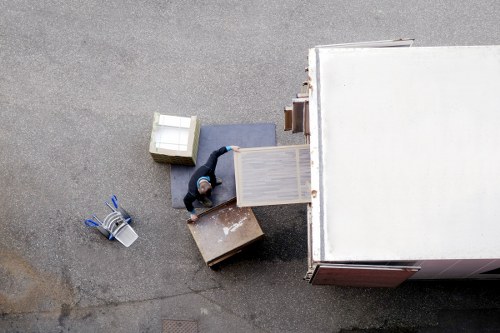
A smooth business move begins well before moving day. For companies arranging commercial moves in Italy, the best results usually come from early planning and clear communication. A reliable team will ask the right questions about your site, your items, your schedule, and your priorities. This helps create a move plan that is realistic and suited to your working day.
The first stage is usually an assessment of what needs to be moved and how it should be handled. That includes checking access points, lift sizes, staircase widths, loading areas, and the availability of parking or unloading space. In many Italian towns and cities, these details can influence timing just as much as the size of the load.
After the initial review, the move can be scheduled in a way that fits your business needs. Some organisations prefer weekends or evenings to limit downtime. Others want a phased move so that one department can remain operational while another is relocated. A strong moving plan can support both approaches.
Typical move process
- Initial enquiry and move discussion – You explain the type of business, the buildings involved, and the preferred date.
- Assessment and planning – The moving team reviews access, contents, timing, and special handling needs.
- Preparation phase – Labels, packing materials, and internal team instructions are organised.
- Moving day execution – Items are carefully removed, loaded, transported, and delivered to the new premises.
- Placement and setup – Furniture and boxes are placed according to your room plan, and dismantled items are reassembled where applicable.
- Final checks – The team confirms that key items have been delivered and placed correctly.
For many businesses, this structured approach is what makes a local service worthwhile. It reduces uncertainty and helps your staff know what to expect. It also makes it easier to coordinate with landlords, building managers, and colleagues who may be working between two sites during the transition.
Planning for business continuity
Relocating a business is not only about moving objects. It is about preserving service levels, staff productivity, and customer confidence. That is why many companies choose movers who can work around business hours and plan the sequence of the move with care.
Commercial Moves for Different Property Types Across Italy

Italy’s commercial property landscape is varied. A move in a central office district is very different from relocating a warehouse or a shop on a suburban retail road. Understanding property type is important because it affects access, lifting requirements, vehicle positioning, and the pace of the move.
Office spaces often involve workstations, chairs, filing cabinets, computer equipment, printers, and meeting-room furniture. These items need to be moved in a way that protects both the contents and the building. In some older Italian offices, stair access may be narrow, or elevators may be too small for larger items. That is where careful dismantling and organised handling become especially useful.
Retail properties can present different challenges. Stock, fixtures, shelving, payment counters, signage, and display items must usually be handled in a sequence that supports reopening. If your retail premises are in a busy shopping street, access windows may be limited, so timing becomes essential. For stores in tourist-heavy areas or historic centres, parking and loading restrictions can also influence how the move is managed.
Other commercial property situations
- Clinics and professional rooms that require careful handling of equipment and confidential files
- Studios and agencies with mixed furniture, tech, and creative materials
- Hospitality venues moving furniture, back-office items, and stored supplies
- Industrial units with palletised goods, heavy items, or workshop tools
- Shared offices where access must be coordinated with other tenants
- Temporary relocations while premises are being refurbished or repaired
In each case, a moving team should adapt to the site rather than forcing the site to fit the move. That is one reason local experience is so useful. A crew familiar with Italy’s urban and regional business spaces can work with the practical realities of older buildings, modern business parks, and mixed-use developments.
For businesses that need office removals in Italy or a broader commercial relocation, flexibility matters. Some moves are straightforward. Others require access checks, item-by-item planning, or multiple trips. A reliable service should be prepared for all of these scenarios.
Areas Covered

Commercial relocation needs are not limited to one city. Businesses across Italy move for growth, cost reasons, lease changes, refurbishment, consolidation, and operational improvements. The right moving service should be able to support local and regional relocations while understanding the conditions in each area.
Common business areas include major cities, suburban commercial districts, industrial zones, and town-centre premises. Depending on your location, that might mean dealing with:
- Historic urban streets with loading restrictions
- Business parks with shared access roads and designated parking
- Warehouse areas that require coordinated loading bay use
- Mixed-use buildings with residential neighbours and strict time limits
- Tourist areas where daytime access can be busy and parking limited
- Out-of-town offices that may be easier to access but still need careful scheduling
Because Italy includes a wide range of regional business environments, it is useful to work with a team that can adapt to both dense city locations and more spacious commercial zones. Whether your move is within the same municipality or between nearby provinces, local knowledge helps reduce wasted time and avoid unnecessary stress.
For customers moving between office districts, retail streets, or light industrial premises, it is also important to consider how trucks or vans will approach the site, where goods can be temporarily staged, and whether building management has any rules for access. A practical commercial moving company in Italy will factor these points into the plan from the start.
Local relevance across different business environments
What works in a modern office park may not work in a stone-built city centre. That is why one-size-fits-all planning is rarely enough. The best relocations are built around the real conditions of the premises, the route, and the business timetable.
Preparation Checklist for Business Customers
Good preparation makes a commercial move faster, safer, and less disruptive. Even if the moving team is handling transport and heavy lifting, your internal preparation can make a major difference to the overall result. Many businesses find it helpful to assign one person as move coordinator so that communication stays clear.
Before moving day, consider the following checklist:
- Confirm the moving date and access times with all relevant parties.
- Identify what should be moved, stored, disposed of, or left behind.
- Label departments, desks, boxes, and special items clearly.
- Back up important digital files and secure confidential documents.
- Plan how IT equipment will be disconnected and reconnected.
- Notify staff of the layout in the new premises if available.
- Measure larger items and check whether they need dismantling.
- Reserve parking or loading space if the area requires it.
- Inform landlords or building managers about move timings and lift use.
- Prepare a first-day essentials box for each department.
These steps are especially useful for office removals, retail moves, and relocations involving sensitive equipment or customer records. If your business has many departments, it can help to colour-code boxes or use area labels so that everything lands in the right room at the new site.
Tip: If you are moving during a busy trading period, create a simple priority list for what must be operational first. That may include internet equipment, reception furniture, payment terminals, core stock, or client-facing materials. Planning this in advance can save time when the new premises are being set up.
For many customers seeking commercial moves in Italy, preparation is the easiest way to avoid delays. It does not have to be complicated, but it should be clear and organised.
Pricing Factors and What Affects the Quote
Business customers often want to know what influences the cost of a commercial move. While exact prices depend on the individual job, there are several common factors that affect planning and labour requirements. Understanding these early can help you compare options sensibly and choose the service that suits your needs.
Pricing usually depends on:
- Volume of items – More furniture, boxes, or stock means more time and vehicle space.
- Type of property – Office buildings, warehouses, retail units, and mixed-use sites all have different access conditions.
- Distance between premises – Local moves and longer intercity relocations involve different transport needs.
- Access challenges – Stairs, lifts, narrow corridors, parking restrictions, and loading limits can affect labour time.
- Special handling – IT equipment, archives, fragile items, or heavy furniture may need extra care.
- Timing requirements – Weekend, evening, or phased moves may require more coordination.
- Additional services – Packing support, dismantling, reassembly, and set-down can increase the scope.
When requesting a quote, it helps to be as specific as possible about your current site and your destination. Even small details, such as whether a van can park close to the entrance or whether the lift is large enough for a desk, can make a difference to the plan. That is especially true in older city buildings or properties with limited loading space.
A transparent quote process should reflect your actual move rather than a rough guess. If your business is comparing services for commercial removals in Italy, ask for a breakdown of what is included so you can see how the move will be managed from start to finish.
Useful questions to ask before booking
- Will the team handle dismantling and reassembly?
- Is packing support available if needed?
- How are fragile or confidential items handled?
- Can the move be scheduled outside normal business hours?
- What access information is needed from the building?
- How will items be labelled and placed at the new premises?
Why Choose a Local Company for Commercial Moves in Italy
There are many reasons local experience matters. A team that works regularly in Italian business districts, industrial zones, and mixed-use properties is more likely to understand the practical issues that can slow a move down. They know that a smooth relocation is built on preparation, timing, and adaptability.
Local knowledge is particularly valuable when a move involves older buildings, central streets, or shared access areas. In such cases, a moving team needs to work around traffic patterns, building rules, and the realities of the site. This can be the difference between a move that feels chaotic and one that is carefully controlled.
For commercial customers, choosing a local service can also make communication easier. You are more likely to get realistic advice about access, parking, sequencing, and timing. That can be helpful whether you are relocating a small office, a chain retail branch, or a larger commercial operation. A trusted local partner can also help if your move has to happen in stages due to trading hours, staffing, or building availability.
Benefits for business clients
- Better understanding of Italian urban and regional access conditions
- More practical planning for city-centre and business-park moves
- Reduced disruption through careful scheduling
- Support for different business types and property layouts
- Flexible service for short-notice or phased relocations
- Clearer handling of furniture, equipment, and stock
If your goal is to keep the business moving while the address changes, a local team is often the most practical choice. The right service should feel organised, calm, and adaptable rather than rushed.
What Makes a Move Feel Easier for Your Staff
A commercial relocation affects more than the premises. It affects your team’s routine, workload, and confidence during a busy period. That is why staff communication matters. When people know what is happening and when, they can prepare properly and continue working with fewer interruptions.
Good staff experience during a move usually comes from a few simple things: clear instructions, labelled equipment, an agreed moving schedule, and a plan for the first day in the new premises. If your team members know where to place their belongings, who to speak to, and what they need to do before the move, the process becomes much smoother.
For customer-facing businesses, this is especially important. Retail teams need to know when stock will be unavailable and when displays can be rebuilt. Office staff may need advance notice about server downtime or temporary hot-desking. Hospitality and service businesses often need to coordinate both the physical move and the reopening plan. In all these cases, a structured commercial moving service can help reduce confusion and support a faster return to normal.
Simple ways to reduce disruption
Use short internal checklists, label all boxes clearly, and assign one person to manage move-day questions. If possible, keep one essentials kit aside for the first day at the new location, including keys, basic office supplies, charger cables, and any critical paperwork.
Business moves are always easier when everyone knows the plan. A well-organised relocation is not only about transport; it is also about keeping the team confident and the operation running.
Frequently Asked Questions
Can commercial moves in Italy be done outside normal business hours?
Yes, many businesses prefer evenings, weekends, or planned shutdown periods to reduce trading disruption. Availability depends on the move size and site access.
Do you handle both office and retail relocations?
Commercial moves often cover offices, retail units, showrooms, and mixed-use business premises. The approach is adapted to the type of property and contents involved.
What should we prepare before the move?
Label boxes and furniture, back up important data, confirm access arrangements, and decide what must be moved first. A detailed preparation checklist can save time on moving day.
Can fragile equipment and business files be moved safely?
Yes, with proper packing, labelling, and handling procedures. Sensitive items should be identified in advance so they can be loaded and transported appropriately.
What if our building has difficult access or limited parking?
That is common in many Italian town centres and older commercial buildings. A local team can plan around access restrictions, loading windows, and parking limitations.
Do you manage phased relocations?
Many commercial customers choose phased moves so that part of the business remains active during the transition. This can be planned department by department or room by room.
How far in advance should we book?
The earlier the better, especially for larger moves or relocations that need specific timing. Early booking allows more time for access planning and scheduling.
Can we request packing and dismantling support?
Yes, these services are often requested for desks, shelving, office furniture, and stock areas. The level of support can be matched to your needs.
Ready to Arrange Your Move?
If your business is planning a relocation, now is the right time to start the conversation. Whether you need help moving an office, a retail unit, a studio, or a larger commercial property, an organised approach can make all the difference. Commercial Moves in Italy should feel manageable, efficient, and tailored to your building and schedule.
From access checks and careful handling to set-down and phased planning, the right service helps you move with confidence. If you are comparing options, look for a team that understands local conditions, listens to your priorities, and can adapt to the practical needs of your premises.
Contact us today to discuss your requirements, request a free quote, or book your service now. With the right planning in place, your move can be organised around your business rather than the other way around.